
ABOUT THIS PODCAST
Whether you're seeking useful legal insights or simply curious about the world of personal injury law, Not Another TV Lawyer offers invaluable information and perspective from dedicated professionals who treat their clients like family.
Join attorney Chris Shakib and his seasoned paralegal, Jessica Hall, as they guide you through each step of the process—from the incident to medical treatment through potential lawsuit settlements.
Each season of this podcast will walk you through the behind the scenes of different types of personal injury situations, beginning with Season 1 on automobile crashes.
Not Another TV Lawyer is a podcast sponsored by Terrell Hogan law firm, serving Jacksonville and Florida for over 50 years.
Season Trailers & Clips
Season Trailers & Clips
Follow on Social Media at:
Featuring our Episodes
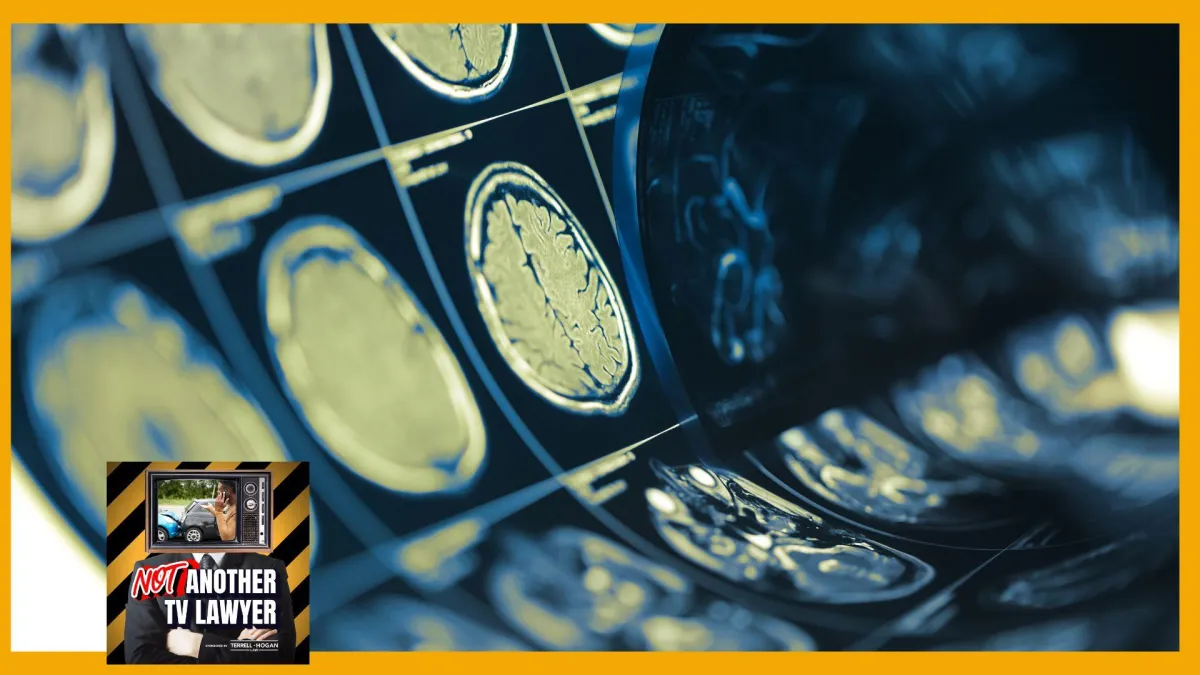
Understanding Mild Traumatic Brain Injuries
Insights from Dr. Michael Sandborn of the Spine, Brain, and Joint Institute
Car accidents can result in a range of injuries, and one of the most concerning are traumatic brain injuries (TBIs) and concussions. Even in minor accidents, the sudden force exerted on the body can lead to head injuries that might not be immediately obvious. Knowing how to identify and treat TBIs and mild concussions after a car accident is crucial for protecting long-term health.
On this episode of Not Another TV Lawyer, Dr. Michael Sandborn, a well-respected medical doctor in the Jacksonville area, to discuss mild traumatic brain injuries (TBIs) and the steps towards recovery. Dr. Sandborn practices at the Spine, Brain and Joint Institute, focusing on physical medicine rehabilitation and pain management. Together with his partner, Dr. Michael Lupi, they guide their patients through a comprehensive treatment program. They see patients with a variety of injuries, including those to the neck, mid to low back, and joints like the shoulders, hips, and knees. The treatment could involve therapy, medication, and interventional procedures to help alleviate pain, aiming to restore a semblance of the patients' lives before the pain.
Watch the Video
Episode 3: What You Don’t Know Will Hurt You (TBI) with Dr. Michael Sandborn
In this episode of 'Not Another TV Lawyer,' hosts Chris Shakib and Jessica Hall are joined by Dr. Mike Sandborn, a medical doctor specializing in Physiatry and interventional pain management at the Spine, Brain, and Joint Institute in Jacksonville, Florida. Dr. Sandborn discusses his practice's focus on treating spine, brain, and joint injuries, elaborating on the impact and treatment of mild traumatic brain injuries (TBIs). The conversation spans the challenges of concussion diagnosis, the evolution of treatments since the 1990s, and the significance of early intervention and personalized care.
Video time-stamps are available at the end of this blog in the Episode Notes.
Understanding more about TBIs and Mild Concussions Caused by Car Accidents: Identification and Treatment
A traumatic brain injury (TBI) occurs when a sudden trauma causes damage to the brain. This could happen from a direct blow to the head, a sudden jolt, or when the brain strikes the inside of the skull. TBIs can range from mild (such as a concussion) to severe, potentially leading to long-term complications or even death.
Mild Concussions: A Common Form of TBI
Mild concussions are the most common type of TBI caused by car accidents. They occur when the brain experiences a mild injury, often without losing consciousness. While they are considered "mild," it’s important to note that any head injury requires attention, as even mild concussions can lead to significant symptoms or long-term effects if untreated.
Dr. Sandborn explains that brain injuries might seem mild due to the specific terminology, but their impact can be significant, affecting quality of life, job performance, and relationships. Mild TBIs can result from various traumatic events such as car accidents or sports injuries, with symptoms varying widely from quick recovery to chronic, lasting effects.
Identifying TBIs and Mild Concussions After a Car Accident
Dr. Sandborn underscores the need to identify symptoms of mild TBIs promptly. Often, people brush off symptoms like headaches, dizziness, and irritability, not recognizing these could be signs of a concussion. Early identification is crucial for effective treatment.
The symptoms of a TBI or mild concussion can appear immediately or take hours to days to fully develop. The most common signs to watch for include:
Headache: A lingering or worsening headache after the accident.
Dizziness: Feeling lightheaded or having balance issues.
Confusion: Difficulty concentrating, remembering, or processing information.
Fatigue: Feeling unusually tired or drowsy without explanation.
Nausea or Vomiting: This is more common in the hours following the injury.
Sensitivity to Light or Sound: Heightened sensitivity to sensory input is often an indicator of a concussion.
Mood Changes: Irritability, sadness, or anxiety without clear reason.
Sleep Disturbances: Trouble falling asleep or sleeping more than usual.
If you experience any of these symptoms after a car accident, it is important to seek medical attention immediately, even if the accident seemed minor. The force of impact can still lead to brain trauma that might not present itself right away.
Diagnosing a TBI or Concussion
Healthcare professionals, like Dr. Sandborn, use a variety of tools to diagnose TBIs. Typically, they’ll conduct a neurological exam to check reflexes, motor function, and cognitive abilities. If a concussion or more severe brain injury is suspected, imaging tests like a CT scan (Computed Tomography scan) or MRI (Magnetic Resonance Imaging) may be used to assess the extent of damage. In mild cases, these scans may not show visible damage, but symptoms will guide the diagnosis.
For lingering conditions suggesting a more severe injury, Dr. Sandborn recommends advanced imaging like Diffusion Tensor Imaging (DTI). This technique can detect microscopic changes in the brain that traditional MRIs might miss and guide targeted treatment strategies.
Treatment of TBIs and Mild Concussions
Treatment depends on the severity of the injury, but in all cases, early intervention is key to minimizing long-term effects. Dr. Sandborn's patient-centric approach involves getting patients back into their routines safely and effectively. The worst thing to do after a mild TBI is nothing. Proactive treatment and frequent assessments ensure patients are on the right track to recovery.
Rest: For mild concussions, rest is the most effective treatment. This includes both physical and cognitive rest. Avoiding screen time, bright lights, loud environments, and stressful activities is important.
Gradual Return to Activity: Once symptoms begin to improve, patients should slowly return to normal activities. It’s important not to rush this process, as returning too quickly can exacerbate symptoms or delay recovery.
Pain Management: Over-the-counter pain relievers such as acetaminophen can help manage headaches. Avoid NSAIDs like ibuprofen or aspirin immediately after the injury, as they can increase the risk of bleeding.
Follow-up Care: In the case of moderate to severe TBIs, follow-up appointments with a neurologist or concussion specialist may be necessary. Ongoing cognitive or physical therapy may be recommended to assist in recovery.
Monitoring for Symptoms: If symptoms persist or worsen, it’s important to seek further medical evaluation. Some TBIs can result in longer-term complications such as post-concussion syndrome, which requires specialized treatment.
Preventing TBIs in Car Accidents
While accidents are sometimes unavoidable, there are several steps you can take to reduce the risk of TBIs and concussions:
Always wear a seatbelt. Properly wearing your seatbelt can reduce the force of impact and the risk of head injuries.
Use airbags effectively. Ensure your car's airbags are functioning properly and that you are seated at a safe distance from the airbag.
Position your headrest properly. The headrest should be adjusted to the back of your head, not your neck, to help minimize whiplash injuries.
Drive defensively. Be aware of other drivers, obey speed limits, and avoid distractions to reduce the likelihood of accidents. Don't drink and drive.
Traumatic brain injuries and mild concussions caused by car accidents can have lasting effects if left untreated. Early identification and appropriate treatment are key to ensuring a full recovery. If you've been involved in a car accident and experience any signs of a TBI or concussion, seeking medical attention promptly can help prevent complications and safeguard your long-term health.
Meet our Guest
Dr. Michael Sandborn, M.D. FAAPMR
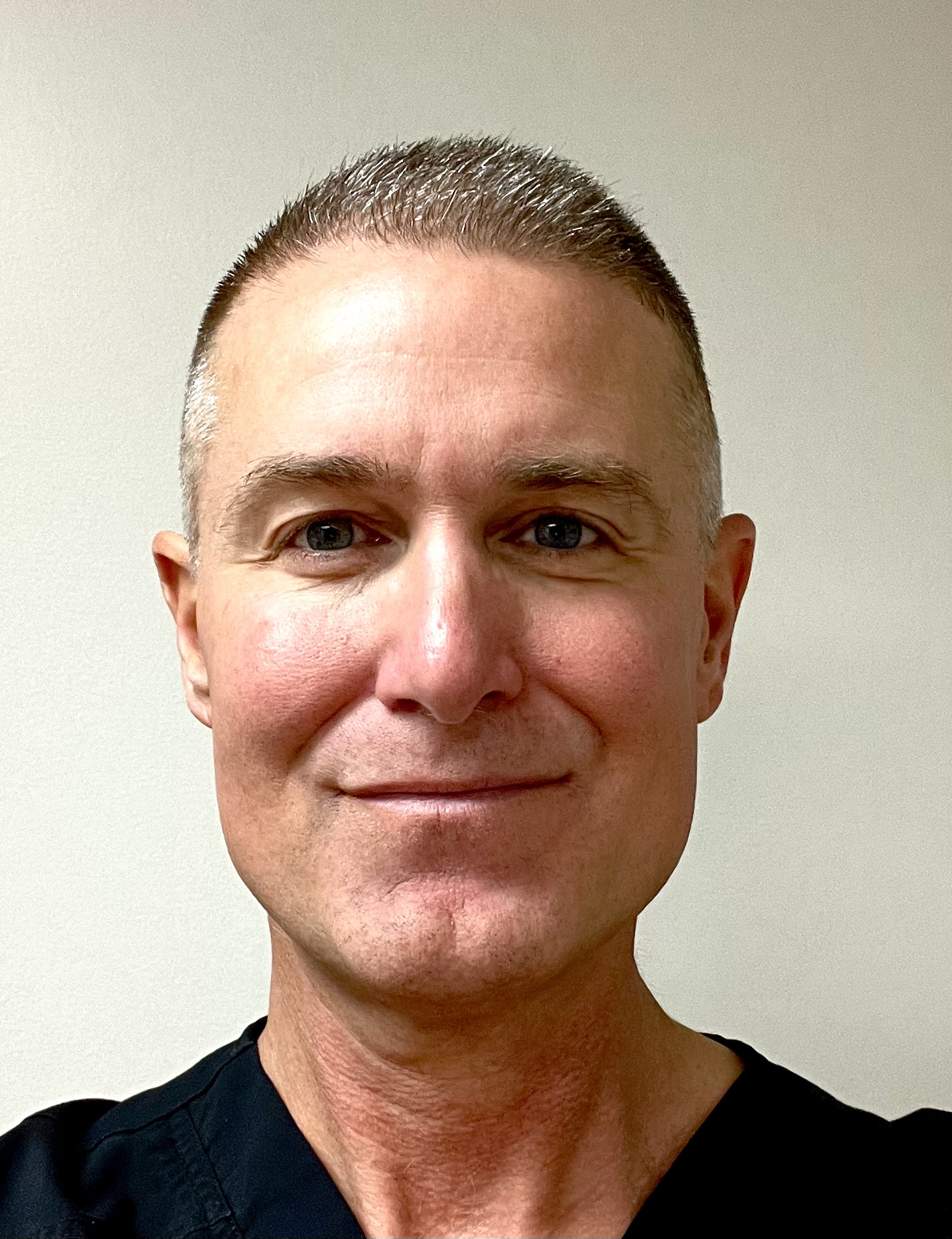
Trained at Emory University, Dr. Sandborn has dedicated his life’s work to making people feel better. His experience in dealing with pain and traumatic brain injury is rivaled only by his compassion for his patients.
Licensed in Florida and Michigan, Dr. Sandborn specializes in Interventional Pain Management and Regenerative Medicine in his practice, Spine, Brain and Joint Institute in Jacksonville, FL. He is married to his wife, Alyse, for 24 years and they have three adult children. He is an avid mountain biker and sailor.
If you or someone you know is experiencing symptoms of a mild TBI, Dr. Sandborn is available for consultation. You can contact the Spine, Brain and Joint Institute through their website at https://spinebrainjointinstitute.com or call their office at 904-374-3672. Early intervention can make a significant difference in recovery and quality of life.
Episode Notes:
Key areas of discussion include symptom identification, lifestyle changes post-injury, the role of supplements and medications, and the utility of advanced imaging techniques like Diffusion Tensor Imaging (DTI) in the diagnosis and management of TBIs. Dr. Michael Sandborn also emphasizes the importance of specialized care for better patient outcomes.
00:00 Introduction to Not Another TV Lawyer
00:31 Meet Dr. Michael Sandborn
00:55 Understanding Spine, Brain, and Joint Care
01:13 Focus on Pain Management
02:34 Traumatic Brain Injury Insights
04:21 Concussion Awareness and Prevention
07:07 Identifying and Treating Mild TBIs
11:59 Lifestyle Adjustments for Recovery
22:10 Advanced Care for Persistent Symptoms
30:33 Referral and Contact Information
31:54 Conclusion and Sponsor Message

Introducing the Hosts
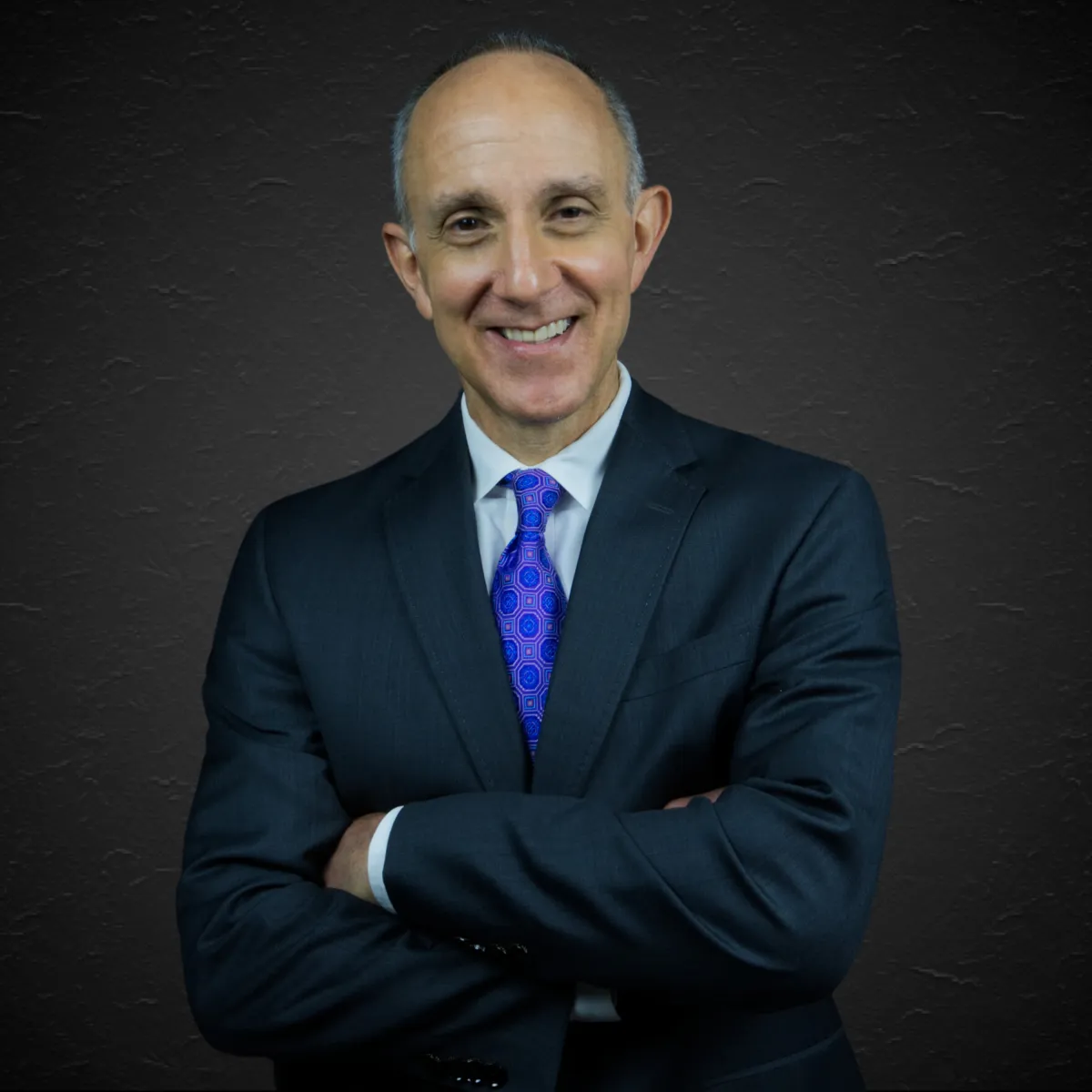
Christopher Shakib, ESQ.
Chris began his career fighting for victims’ rights as a state prosecutor of violent criminals. From 1992 to 1996, he prosecuted bad guys and witnessed the life-long harm criminals inflicted on their victims, because they made a conscious decision to do wrong, often for financial gain. Since then, he’s transferred that passion for holding bad guys accountable and helping victims to the civil justice system.
As a partner at Terrell • Hogan, Chris advocates for those injured or killed by medical malpractice – including women injured in an alleged breast implant warranty scheme – defective drugs, defective medical devices, pharmacy negligence and consumer products. He is driven to stop companies and practitioners from putting profits over people, especially when they knowingly provide a product or service that hurts consumers or falls below industry standards. He also represents victims of defective consumer products, commercial truck accidents and motor vehicle crashes.
Chris is married to Jaime Lee Shakib and is the proud father of three children: Ashley, Evan, and Stella-Jaymes. An avid surfer, runner, and amateur boxer, he considers the mountains of Western North Carolina his second home.
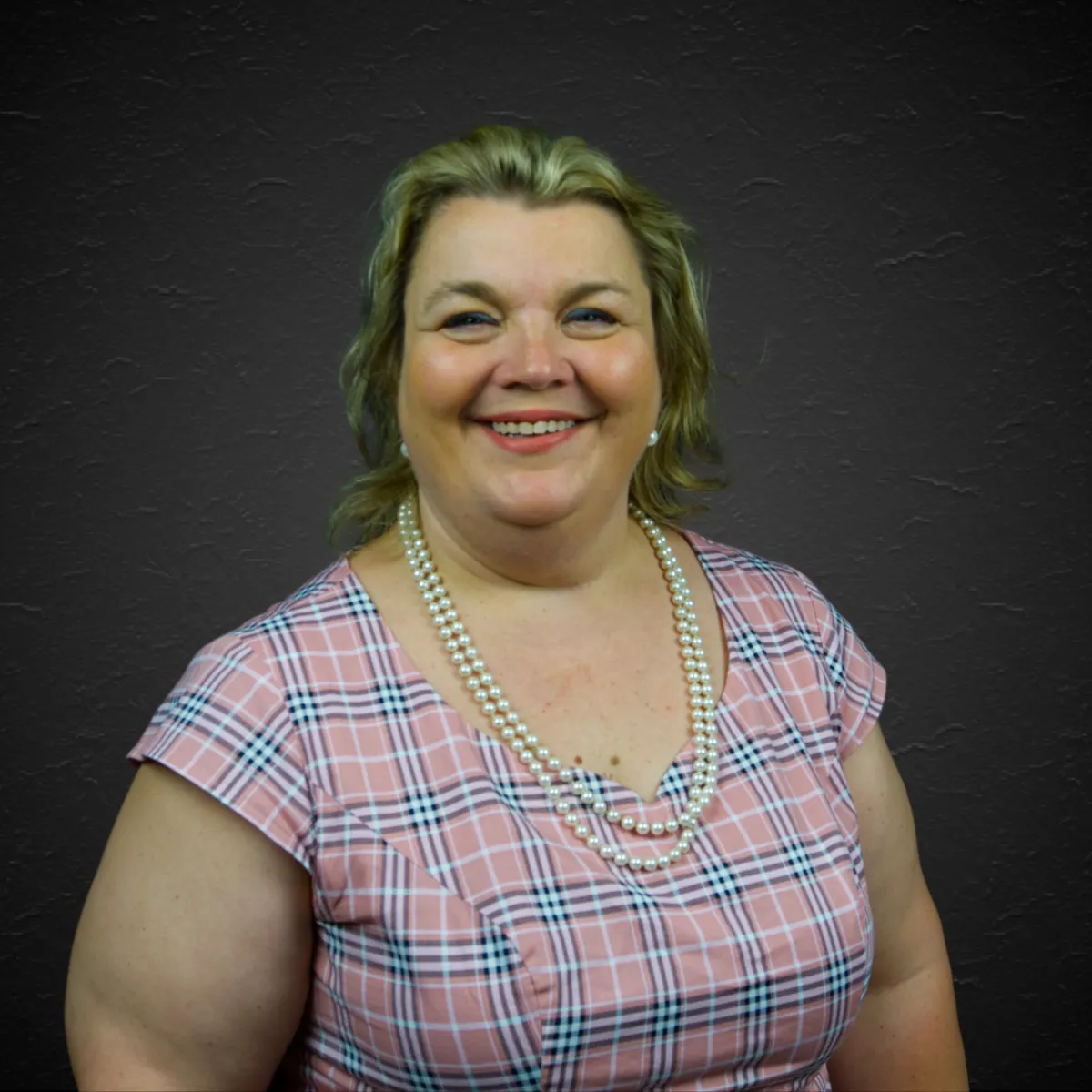
Jessica Hall, J.M.
Originally from East Texas, Jessica began her legal career in 1999 as a Marine spouse stationed in North Carolina. As a result of being a former military spouse, Jessica has lived in multiple locations and has gained valuable legal expertise through her travels and experiences.
Jessica is a proud member of a military and law enforcement family. Her father was a deputy sheriff, which instilled Jessica’s love for justice and the law and prompted her to enter the legal field.
Jessica received her associate’s degree in paralegal studies from Florida State College at Jacksonville, her bachelor’s degree in criminology and criminal justice from the University of Texas at Arlington, and a master’s in law from Florida State University College of Law. She aspires to attend law school in 2025 and become an attorney.
Jessica is a paralegal to attorney Christopher Shakib at Terrell Hogan Law and has been at Terrell Hogan since 2022. Along with Mr. Shakib, Jessica serves as a passionate advocate for her clients. In addition to her paralegal duties, Jessica handles marketing for Mr. Shakib and is often sought out for her expertise in various areas.
Jessica is single and the devoted mom of a rescue dog. Jessica is a diehard Texas Longhorns fan, and an avid video gamer.
Listen Now
Production Credits
Mix Theory Studios, a music and multimedia design studio located in downtown Jacksonville, Florida, is producing Not Another TV Lawyer podcast.
About our Sponsor - Terrell Hogan Law
Serving Jacksonville, Florida for 50 years, Terrell • Hogan Law is your trusted destination for exceptional personal injury representation, covering a wide range of cases such as wrongful death, trucking accidents, defective products/drugs, medical malpractice, nursing home abuse, asbestos, mesothelioma and more.
Additionally, our expertise extends to civil and business litigation, addressing contract disputes, tortious interference, defamation, premise liability, warranty, fraud cases, and real estate property disputes as well as criminal cases.
With a focus on personalized attention and steadfast advocacy, we’re here to provide tailored solutions to protect your rights and pursue the justice you deserve across all areas of law.
Contact the Office of Chris Shakib, ESQ. at Terrell Hogan Law
Jessica Hall, paralegal to Christopher Shakib, ESQ.
Phone: 904-632-2424
Email: [email protected]
Headquarters
The Blackstone Building
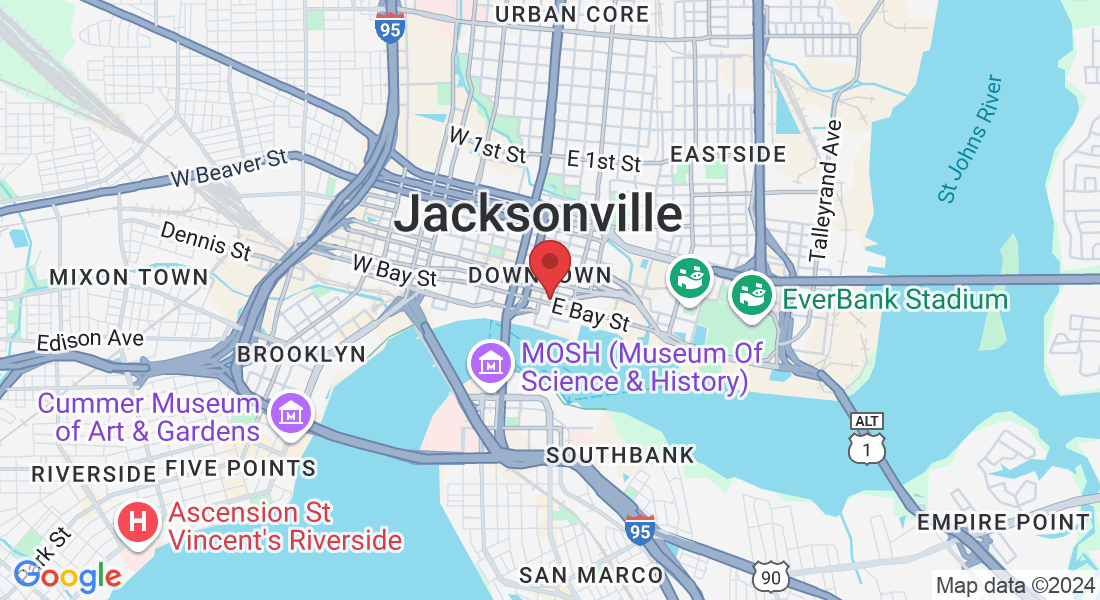
233 East Bay Street, 8th Floor
Jacksonville, FL 32202
Virtual Offices in Savannah, GA and Houston, TX


Powered by Mix Theory Studios, Inc., a content design studio and production company located in downtown Jacksonville, Florida.
Contact Us at [email protected]
Navigation
© 2025 Mix Theory Studios - All Rights Reserved.
Youtube
TikTok